This action will delete this post on this instance and on all federated instances, and it cannot be undone. Are you certain you want to delete this post?
Todd Sundsted
toddsundsted@epiktistes.comBetter dead than bored.
toddsundsted@epiktistes.comBetter dead than bored.
| Introduction | https://epiktistes.com/introduction |
|---|---|
| GitHub | https://github.com/toddsundsted/ktistec |
| Pronouns | he/him |
| 🌎 | Sector 001 |
Todd Sundsted posted Jan 28, 2023
it just started snowing north of chicago. apparently it’s due for 6 inches.
Todd Sundsted posted Jan 28, 2023

Todd Sundsted posted Jan 27, 2023

sheridan, wyoming… roads south are closed because of last night’s storm. backtracking to billings and then across north dakota this time.
Todd Sundsted posted Jan 24, 2023
I just released v2.0.0-8 of ktistec. The most impactful changes are:
- No more dependencies on externally hosted assets (and fewer dependencies, overall)
- Basic support for timeline filters (no shares and no replies).
- Support for content filtering by keyword.
Volume has dropped off in my timeline, for the most part, now that the surge of people who signed up for Mastodon accounts a couple months ago have gone back to posting on Twitter, or have stopped posted about the transition, or whatever. But fine grained control is nice, and filtering allows me to tune my experience—better late than never!
Read the changelog for all of the details.
Todd Sundsted posted Jan 20, 2023
i stumbled across an ad for a two button keyboard and thought wtf but then learned that this is a product category and macropads are a thing...
Todd Sundsted posted Jan 18, 2023
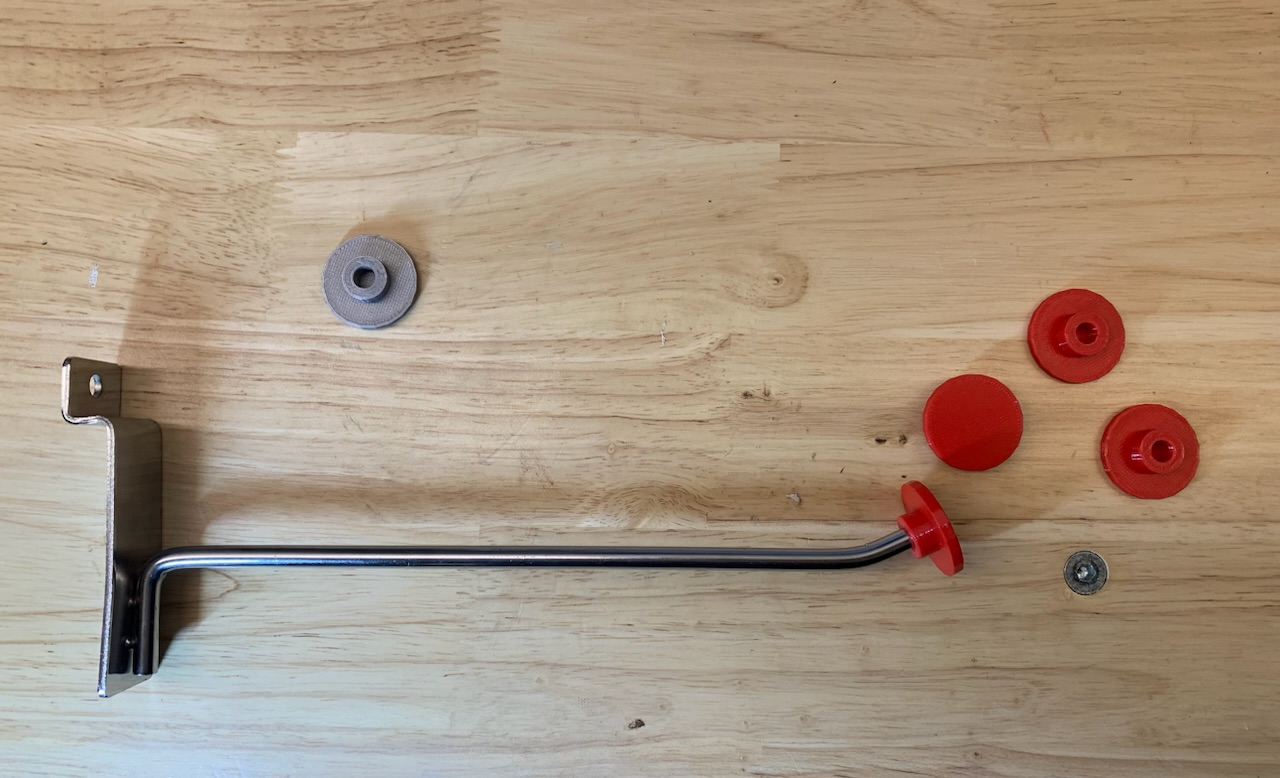
my favorite 3d printer projects have some utility. i recently installed gridwall panels in my shop but didn't want to put an eye out on one of the hooks, so i designed and printed safety caps for the ends.
Todd Sundsted posted Jan 16, 2023
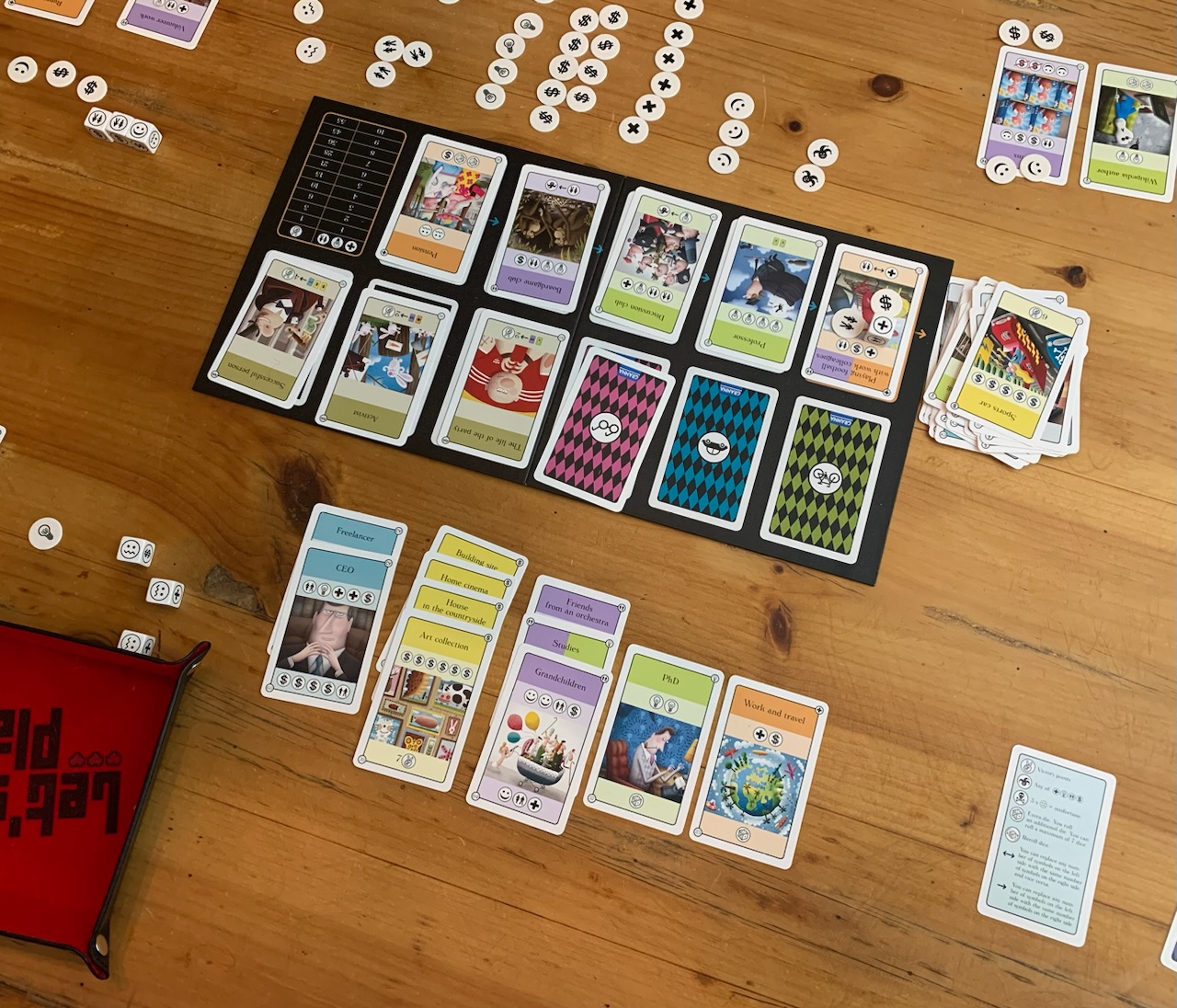
Yesterday was family game night. We played CV, which we purchased after playing it at the local board game meetup.
I found it easy to learn and fun, but reviews were mixed. I like the tableau building mechanic, but everyone thought the dice rolls add too much chance into the gameplay. The idea behind bad luck and misfortune is to add a little risk when you press your luck and re-roll the dice. It might have just been the night, but we ended up rolling misfortune (three dice showing bad luck) on the first roll multiple times—the cost of a card really sets you back. The player with the worst luck in this regard took social assistance twice, and still lost the game!
Todd Sundsted posted Jan 13, 2023
i can't get over how much programming feels like playing an open world game like breath of the wild (or pick your favorite)... you have an objective. there are the required milestones along the path to meeting that objective. and then there are the side quests that lure you off the path. there are always so many tantalizing side quests...
Todd Sundsted posted Jan 12, 2023
filling out forms is dante’s eighth circle of hell, right?
Todd Sundsted posted Jan 7, 2023
this week the US House of Representatives proves you’re never too old for high school drama!